
Dyes for plaster and acrylic resin Instantly give porcelain plaster and A1 acrylic resin the perfect shade with professional dyes, pigments, and effect powders . Ideal for body casting, sculpture, décor, and props. Easy to apply, high opacity, and consistent results. ⚠️ Caution: Some pigments and powders may discolor skin...
Dyes for Plaster and Acrylic Resin (11)







Dyes for plaster and acrylic resin
Instantly give porcelain plaster and A1 acrylic resin the perfect shade with professional dyes, pigments, and effect powders . Ideal for body casting, sculpture, décor, and props. Easy to apply, high opacity, and consistent results.
⚠️ Caution: Some pigments and powders may discolor skin and clothing. Wear gloves, work in a well-ventilated area, and clean tools immediately.
Why choose our dyes?
Intense colors
Lightfast colours with even distribution in plaster and acrylic resin for consistent results.
Easy to mix
Predictable dosing and repeatable shades for professional applications.
Metal effects
From solid color to authentic metallic effects and patina for unique finishes.
Widely applicable
Suitable for body casting, art, industry and compatible with A1 acrylic resin and porcelain plaster.
Processing & tips
Dosage & mixing
- → Acrylic resin: usually 0.5 to 5 percent color paste by total weight for saturated shades
- → Plaster: add pigments drop by drop or in powder form to the mixing water for an even color
- → Mixing technique: mix gently to minimize air inclusions, work cleanly, and weigh consistently
Effects & finishing
- → Metal effect: mix iron or aluminium powder into the mass, sand lightly after hardening and patinate if desired
- → Surface finish: prime with black for better coverage, then apply gilding wax sparingly and polish.
Always check the product TDS and SDS for exact dosages, pot life, and safety instructions.
Compatibility & considerations
Acrylic resin (A1)
Water-based system, compatible with A1 color pastes and many inorganic powders. Too much pigment can affect strength and curing.
Plaster
Dyes can affect processing time. Start with a low dose and build up to the desired intensity.
Primers & wax
Apply primer to a dry, dust-free surface. Let the primer dry before applying gilding wax .
Sealers
For stain resistance and color retention, a sealer or topcoat may be desirable.
Product overview
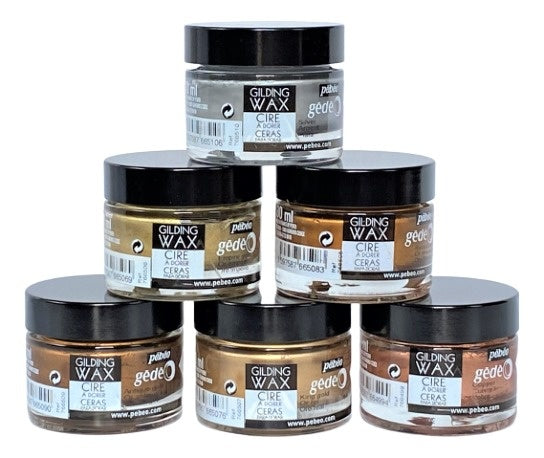
Gilding Wax
- ✓ Gives porcelain plaster and acrylic resin an antique metal effect or color accent
- ✓ Works particularly well over a black primer for deep contrasts
- ✓ Easy to apply and polish for subtle highlights
- ✓ Ideal for decor, props and finishing of body casting images
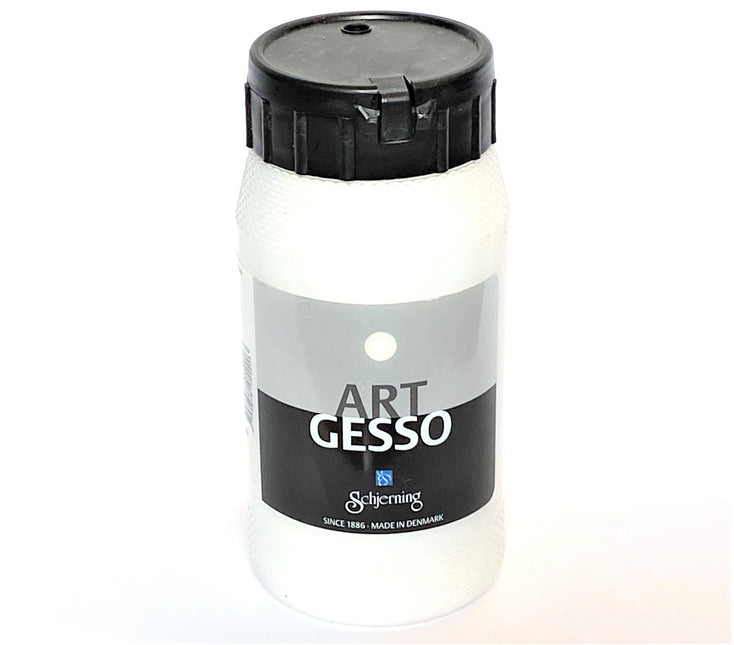
Bodycasting Primer Black
- ✓ Black, pH-neutral primer for acrylic resin and porcelain plaster
- ✓ Quick-drying, lightfast and waterproof after drying
- ✓ Creates a perfect base for color, gilding wax and patina
- ✓ Improves coverage and adhesion of subsequent layers
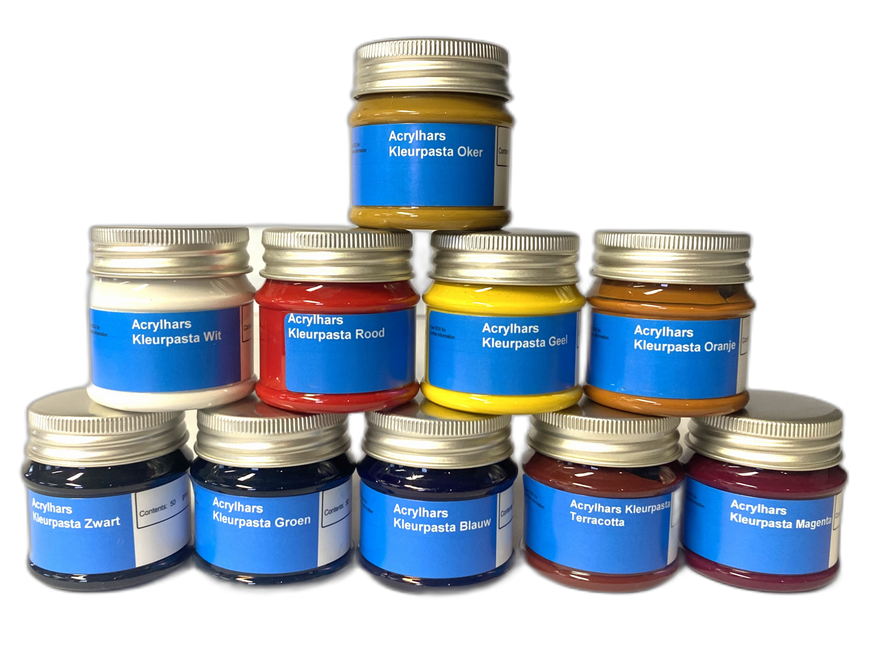
Acrylic Resin Color Paste
- ✓ Specially for A1 acrylic resin and other acrylic systems
- ✓ Vibrant, long-lasting colours with good weather and light resistance
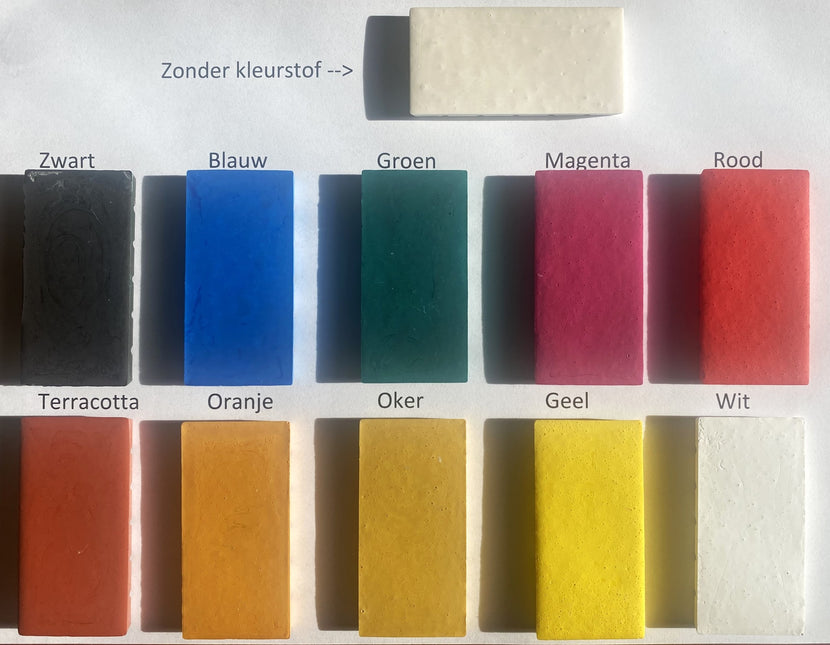
- ✓ Creamy white acrylic resin base slightly mutes the shade after curing
- ✓ Typical dosage 0.5–5 percent for consistent results
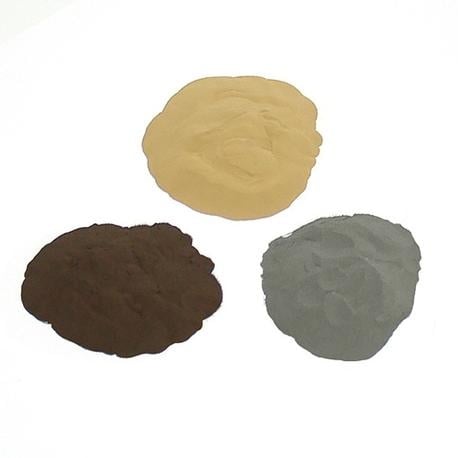
A1 Iron powder
- ✓ For authentic metallic effects in acrylic resin
- ✓ After light sanding, metal particles appear on the surface
- ✓ Can be patinated or post-treated as metal
- ✓ Suitable for effects from rough industrial to subtle satin
Aluminum powder
- ✓ 100 percent aluminum, finely divided for paints, lacquers, casting resins and plaster
- ✓ Provides a bright metallic aluminum effect
- ✓ After hardening, lightly sand and optionally patinate
- ✓ Combine with black primer for high gloss and depth
Frequently Asked Questions
How much color paste do I add to acrylic resin?
Start with 0.5 to 1 percent by weight and gradually increase to a maximum of approximately 5 percent. Too much pigment can affect strength and curing. Check the TDS.
Can I colour porcelain plaster all the way through?
Yes, mix pigment into the mixing water for an even base shade. Work cleanly and weigh accurately for reproducible results.
How do I create a realistic metallic effect in acrylic resin?
Mix iron or aluminum powder into the mass, sand lightly after curing and apply a patina or sealer if desired.
Does color affect curing time?
High pigment loading can affect curing and viscosity. Always test a small batch and monitor the total dissolved solids content.
Why prime black before applying gilding wax ?
A dark background increases contrast and accentuates metallic highlights, making the effect appear deeper and richer.
Advice & order
Ready to add color and impact to your project? Choose your color paste, primer, wax, or metal powder and get started today. Need personalized advice on dosage or finishing? We're happy to help.
Useful routes: Acrylic resin, Porcelain plaster, Primers & Sealers, Pigments & Dyes, Fillers & Powders.