
Silicone for textile printing
-
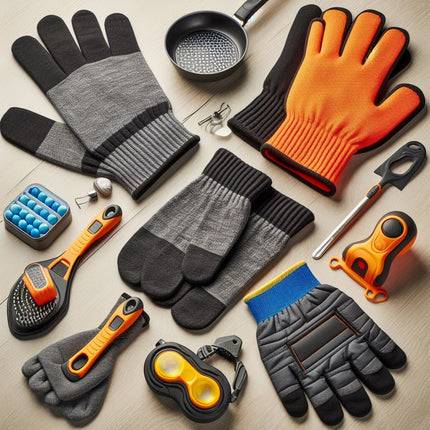
Silicones for anti-slip, liquid tightness and heat resistance
Silicones for anti-slip, liquid tightness and heat resistance With silicones you give textiles grip, make them liquid-tight or protect them
-

Silicone screen printing on textiles
Silicone screen printing ink for textiles Silicone ink is an elastic, PVC-free alternative to plastisol. The print stretches with sportswear
-
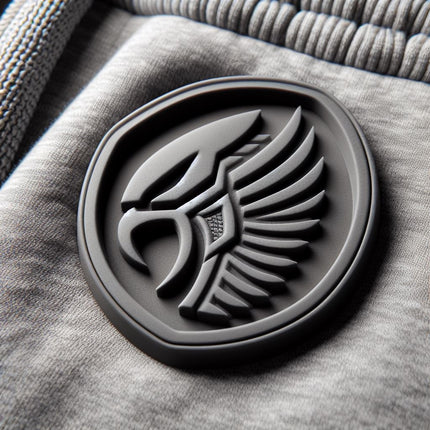
Textile embossing with silicone
Textile embossing with silicone With embossing you give textiles a permanent relief, for example a logo that rises from the
-

Soft foamy silicone print on textile
Soft foamed silicone prints on textiles A puff print is a silicone print that swells during curing into a soft,
-

Silicone for LED on garments
Silicones for LEDs and electronics in clothing LEDs, sensors and flexible electronics are increasingly being built into clothing, from light-up
Printing textiles with silicone
Silicones are popular in textile printing because the print is elastic, wash-resistant and PVC-free. With the same material you can make flat prints, high 3D logos, puff effects, glossy gel prints, flock or transfers.
On this page you can see which techniques are available and which products go with them. For each technique we refer to the page with more information.
⚠️ Temporarily an information page
The products on this page are not yet available in our webshop. They can, however, be supplied on request through our suppliers. Send us your application, the textile and the required quantity, and we will prepare a quotation or arrange a sample.
Techniques at a glance
Screen printing
The basis for almost all silicone prints. Base, catalyst and colour are printed through a screen onto the textile and cured in an oven. More about screen printing
3D, high density and gel
With a thick stencil and a free-flowing paste you build up sharp, raised prints. Transparent pastes give a glossy gel effect.
Puff
A foaming additive makes the print swell during curing into a soft, raised print. More about puff
Embossing
Relief in the textile itself or a raised logo from a mould, cured under heat and pressure. More about embossing
Heat transfer
The print is first made on a carrier and then transferred onto the textile with a transfer press. Useful for labels and small runs.
Flock
A silicone adhesive layer into which flock fibres are scattered, for a velvety print.
Products by technique
| Technique | Brand | Product | Properties according to manufacturer | Status |
|---|---|---|---|---|
| 3D prints | CHT | ALPATEC 3060 LSR A/B | 50:50, for raised three-dimensional prints, very good flow | On request |
| 3D prints | CHT | ALPATEC 30191 A/B | 50:50, transparent and highly elastic, for 3D prints and coatings | On request |
| Gel effect | CHT | ALPATEC 30194 A/B | 50:50, Shore A 40, high-gloss gel effects | On request |
| 3D, soft | CHT | ALPATEC 30203 A/B TZ 10H | 50:50, low hardness, slightly tacky | On request |
| 3D, opaque | CHT | ALPAPRINT OPAQUE NG | No shrinkage during fixation, suitable for 3D prints on dark textiles | On request |
| Embossing | Nanotech | SILME-4040 A/B | 1:1, for embossed prints, applied to the reverse side of the fabric | On request |
| Heat transfer | CHT | ALPATRANS BOND | 2K silicone adhesive, cured with ALPAPRINT CAT, can be combined with TUBASSIST ELASTOMELT SI hot-melt powder and the NG pastes | On request |
| Heat transfer | Nanotech | Silicone Heat Transfer Inks | PVC-free and phthalate-free, highly stretchable and opaque according to the manufacturer. Product codes not published | On request |
| Flock | CHT | ALPATEC 30340 A/B | Flock adhesive, 50:50, pot life 6 hours at 35 °C | On request |
| Puff | Nanotech / CHT | SILME-Foam 20 / ALPAPRINT FOAM ADD | Foaming additives, see the puff page | SILME-Foam 20 in our range, price on quotation, FOAM ADD on request |
Why silicone and not plastisol or water-based?
- ✓Elastic: the print stretches with stretch fabrics and sportswear and does not crack during washing or wear.
- ✓PVC-free and phthalate-free: a cleaner alternative to plastisol.
- ✓Temperature resistant: the print stays flexible in the cold and does not soften in the heat.
- ✓Versatile: matt, gloss, transparent, opaque, soft, tacky or high build, all with one type of chemistry.
⚠️ Silicones are sensitive to inhibition. Residues of plastisol, tin-cure silicones, sulphur and amines on screens, squeegees or textiles can disrupt the cure. Work with clean, dedicated materials.
Frequently asked questions
Which technique gives the highest print?
For sharp, high edges, choose a 3D paste such as ALPATEC 3060 LSR with a thick stencil. For a soft, raised print, use puff. For relief in the fabric itself, choose embossing.
Can I add glitter or fluorescent pigments?
Often, yes, provided the pigment does not interfere with the platinum catalyst. Test a small quantity for cure and adhesion before you go into production.
Do I need an oven?
For 2K silicone ink, yes. These inks cure in a few minutes at approx. 100 to 150 °C, for example in a drying tunnel, flash unit or transfer press.
Related categories
Need help with your printing technique?
Send a photo or design of the desired effect and tell us which textile you print on. Email info@siliconesandmore.com.
Product information is based on the manufacturers' technical data sheets, brochures and websites (as of September 2026). Values are typical values and not a specification. Always consult the current TDS and test on your own textile and process. ELASTOSIL is a trademark of Wacker Chemie AG, ALPATEC and ALPAPRINT are trademarks of CHT, SILME and CSILFLEX are trademarks of Nano Tech Chemical Brothers.